
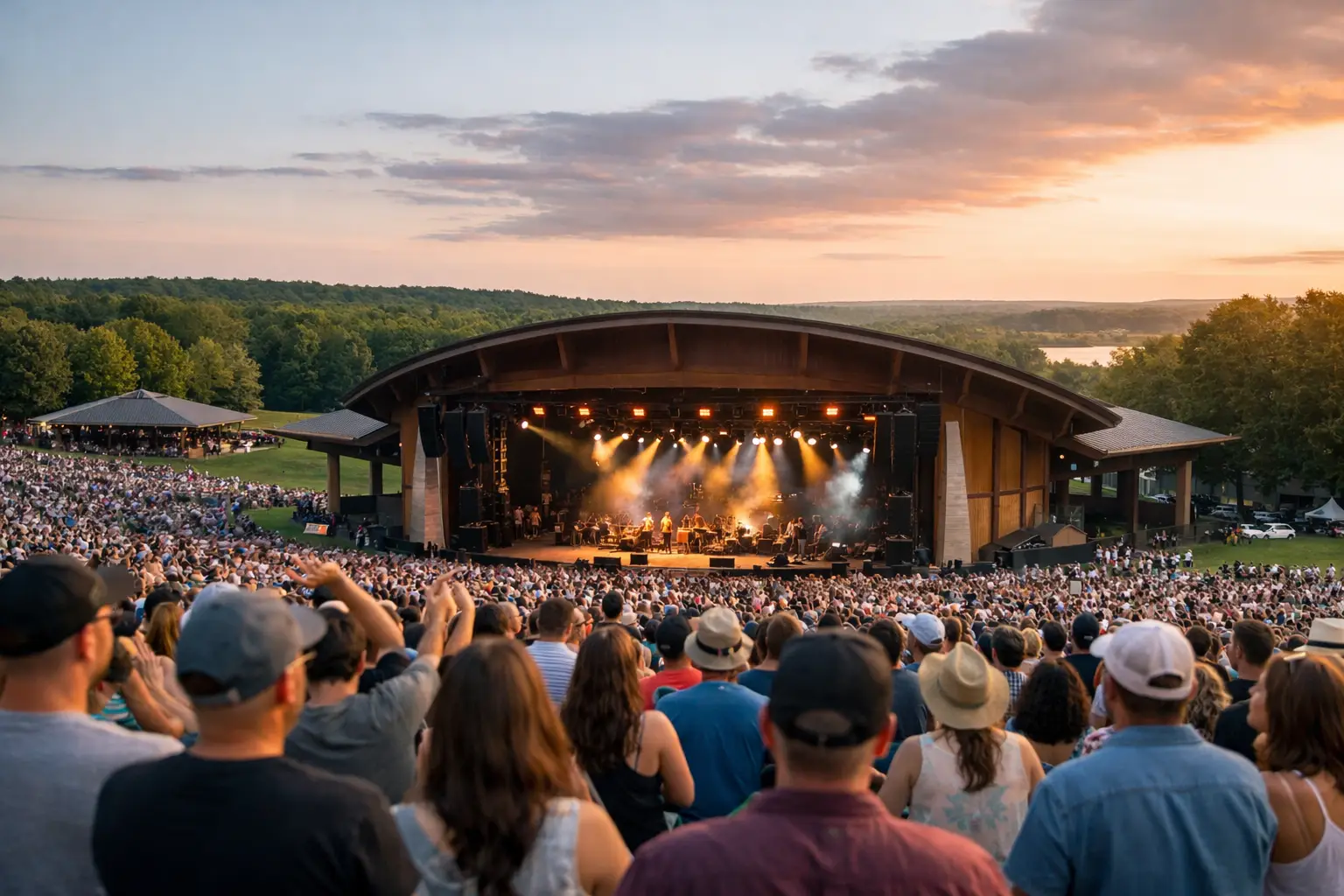
If you're already searching for the bethel woods concert schedule 2026, you're probably not just planning a summer night out - you're trying to get ahead of the rush. Bethel Woods is one of those rooms where nostalgia, legacy bookings, and big seasonal routing collide, which means the calendar matters early. Fans want first shot at strong seats. Artists and managers want to read the market. Publicists want to know which tours are leaning heritage, which are crossing generations, and where the Northeast summer circuit is heating up.
What the Bethel Woods concert schedule 2026 will likely tell us
Bethel Woods is never just another amphitheater date. The venue carries historic weight because of where it sits and what that location means to American music culture. But beyond the mythology, it functions like a serious live business asset - a seasonal destination that attracts legacy acts, mainstream names with broad live appeal, selective reunion runs, country packages, classic rock anchors, and occasional crossover bookings that pull younger audiences into the market.
That is why the bethel woods concert schedule 2026 will matter beyond local entertainment listings. It should give a useful read on how promoters are thinking about demand in the Northeast, especially for artists whose audiences still show up in a strong way for outdoor summer shows. When a venue like this starts dropping dates, you can often spot patterns early. Are buyers leaning heavily into classic catalog artists? Are country tours expanding their footprint? Are multi-act packages returning as a safer bet than standalone headliner plays? Those details matter to fans, but they also matter to anyone building campaigns around live momentum.
In practical terms, Bethel Woods tends to reward acts with durable fan communities rather than purely viral heat. That doesn't mean younger artists cannot land there. It means the venue usually favors artists who can turn recognition into actual ticket sales. For managers and indie teams paying attention, that distinction is everything.
Why this venue still punches above its weight
Some amphitheaters are just stops. Bethel Woods feels more like an event market. The setting adds to that, but so does audience behavior. People often treat these shows as planned experiences, not casual last-minute buys. That shifts how tours get marketed and how ticketing moves over time.
For fans, that usually means prices and availability can change quickly once a marquee name is announced. For artists, it means the room can be a good signal of whether a fan base is merely streaming music or actually converting into destination attendance. Those are two very different audiences.
There's also a branding layer here. A booking at Bethel Woods still carries cultural texture. In an era where every tour stop can blur together on social feeds, some venues continue to hold identity. That helps with storytelling, press angles, fan content, and sponsor alignment. It is not the only thing that matters, but it is not nothing either.
Expect a mix of legacy power and broad-audience touring acts
If 2026 follows the current live trajectory, expect the strongest portion of the calendar to come from artists with established touring histories. Think classic rock, adult alternative, jam-adjacent names, country stars with reliable summer turnout, and pop veterans with multigenerational audiences. That is usually the center of gravity for venues like this.
The trade-off is that fans hoping for a heavily indie or left-field calendar may not see Bethel Woods as the first place where underground culture breaks. It can happen, especially through support slots or crossover moments, but the venue's economic model tends to favor familiarity plus scale. That is not a criticism. It is just the business reality of large seasonal live events.
When the 2026 schedule will probably start taking shape
Most fans do not need the exact on-sale date yet. They need to know when attention should sharpen. For a venue like Bethel Woods, meaningful scheduling signals often begin to appear months before peak summer. Tour announcements can start rolling out in waves, with bigger packages arriving early enough to capture vacation planning and premium seat demand.
That means serious fans should start watching in late winter and early spring, then keep checking as routing fills in. Some major artists announce entire summer runs at once. Others release dates in stages. A venue calendar can look quiet until it doesn't.
For managers and independent artists, this is also a good time to watch who gets booked in adjacent markets. If a tour locks New York, New Jersey, Connecticut, Massachusetts, and Pennsylvania dates without Bethel Woods, that omission can be as informative as a confirmed stop. Routing decisions often reflect promoter confidence, radius clauses, demographic overlap, and venue-specific fit.
Reading the schedule like an industry person
The average fan sees names and dates. Industry people see positioning.
A stacked weekend calendar tells you the venue expects destination traffic. A heavy concentration of co-headline packages can suggest buyers are looking for reduced risk and broader demographic reach. A sudden increase in artists with strong catalog performance may point to an older but more dependable spending audience. And when a room like Bethel Woods adds artists who have recently surged on social platforms, it can be a sign that promoters are testing whether digital attention has matured into live-market value.
This is where editorial coverage and live intelligence start to overlap. At PaperMedia, we look at concert calendars not just as consumer information but as market signals. They tell a story about which fan communities are moving, which genres are maintaining real-world traction, and how the live business is pricing certainty versus upside.
What fans should watch for once dates drop
The first thing is pacing. Not every announced show will sell the same way. Legacy blockbuster acts can move quickly at the premium level, while some mid-tier names may stay accessible longer. If you care about exact sightlines or premium sections, waiting can be expensive. If you are flexible, patience sometimes works in your favor.
The second thing is support billing. At venues with broad summer audiences, openers can quietly be the most interesting part of the story. A smart support slot can expose an emerging artist to thousands of fans who are already primed for a full-night experience. If you are an indie act studying live career paths, pay attention to who gets those placements. They often reveal which teams are building strategically.
The third is genre clustering across the season. If multiple country, classic rock, or crossover adult pop bookings appear close together, that can indicate where demand is strongest regionally. It can also shape secondary market behavior, local media attention, and sponsor interest.
How to plan around the Bethel Woods concert schedule 2026
For fans, the smartest move is simple. Decide early whether you're tracking one must-see artist or building a summer live calendar. Those are different strategies. If it is one major act, set alerts and be ready at on-sale. If it is a season plan, watch the full schedule first and compare weekends, because travel, weather, and package lineups can change the value of each show.
For artists and music professionals, think bigger than attendance. Study the calendar for clues about artist development lanes. Which acts graduate into large-format outdoor settings? Which genres hold up best in destination venues? Which support acts feel like future headliners? Those observations are useful if you're building campaign narratives, pitching press, targeting playlist audiences, or shaping a release around live relevance.
There is also a lesson here about audience quality. Not all fan bases are equal in the live economy. A smaller but committed audience that buys tickets, travels, and shows up repeatedly is often worth more than a larger passive one. Venues like Bethel Woods make that difference visible.
The bigger story behind a summer venue calendar
A concert schedule can look like entertainment data on the surface, but it often reflects the wider state of music culture. If Bethel Woods loads up on established names, that says something about promoter caution and proven demand. If it takes more swings on crossover or emerging artists, that suggests confidence in audience expansion. Either way, the schedule becomes a snapshot of how the live market values trust, memory, and momentum.
That is why the bethel woods concert schedule 2026 is worth watching even before every show is officially posted. It sits at the intersection of fan desire and industry strategy. A venue with this kind of history does not just host concerts. It reveals what kinds of artists can still turn songs into gatherings, and what kinds of gatherings still mean something when summer arrives.
If you're keeping an eye on 2026, don't just look for the biggest name on the flyer. Look for the pattern behind the bookings. That's usually where the real story starts.
