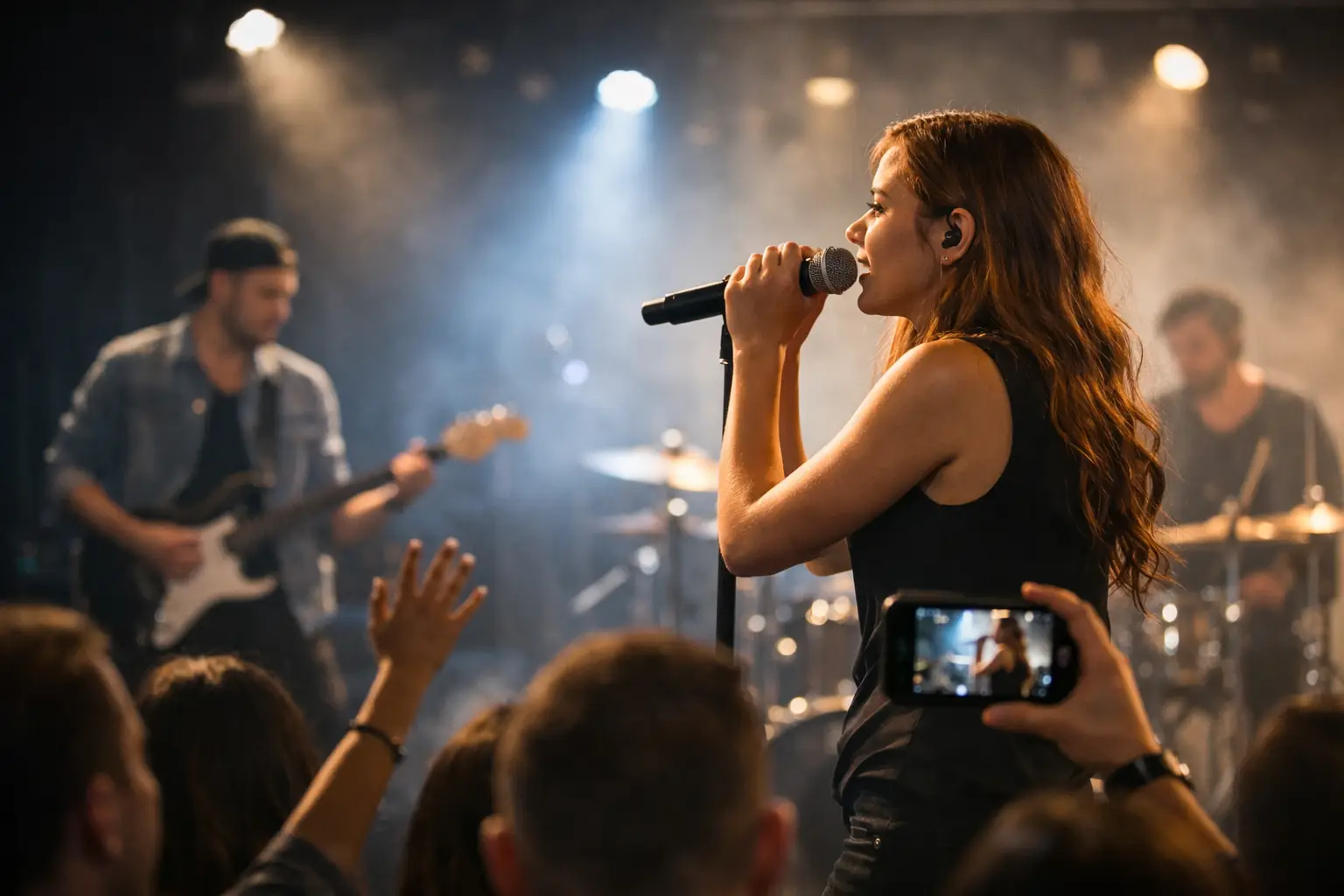
A great set can disappear in 45 minutes if nobody captures what made the room move. That is the real stakes behind concert coverage for emerging artists. It is not just about getting photos from the pit or a quick recap on a blog. It is about turning a live moment into proof - proof of audience connection, proof of growth, proof that an artist is building something worth paying attention to.
For independent artists, live coverage sits at the intersection of culture and strategy. It can shape perception with fans, give managers and publicists stronger assets to work with, and show bookers that the artist does more than stream well. But coverage only helps when it reflects the right story. A packed room means one thing for a hometown act with a grassroots following and something else for an artist opening a 20-minute support slot. Context matters.
Why concert coverage for emerging artists matters more than a recap
At the top level, live coverage creates visibility. That part is obvious. What gets missed is how much it can influence positioning. A strong live write-up tells readers how an artist commands space, how songs translate off the DSPs, and how the crowd responds in real time. That kind of editorial signal carries weight because it is harder to fake than social numbers.
For emerging artists, that credibility can be more valuable than broad but shallow attention. A review, photo set, or performance feature gives the artist material that can live far beyond the night of the show. It can support future press outreach, strengthen an EPK, and give new fans a reason to click deeper into the catalog. It also helps artists control the narrative before somebody else does it for them.
There is also a business layer here. Live coverage can influence promoter interest, help justify higher billing, and give teams a clearer picture of what moments resonate onstage. If a publication keeps returning to an artist's live performances, that pattern becomes part of the artist's market story. In a crowded independent lane, repeated proof matters.
Not all coverage is good coverage
The phrase sounds simple, but the quality gap is huge. Some coverage documents the event. Better coverage translates the experience. The difference shows up in the details. Did the writer understand the set's emotional arc? Did the photographer catch the audience energy, not just the artist under blue lights? Did the piece explain why this performance mattered in the artist's trajectory?
Emerging acts do not need coverage for the sake of vanity. They need coverage that gives shape to momentum. If the article reads like it could apply to any artist on any stage, it will not move much. Strong concert journalism identifies what is distinct - the crowd singing unreleased lyrics back, the shift in confidence from the artist's last local headline, the way production choices elevate a still-developing set.
That is where trade-offs come in. A big platform may bring reach but little nuance. A more plugged-in outlet may have a smaller audience yet speak directly to the fans, curators, and industry people who actually influence the next step. For some artists, that second option is more valuable.
What editors and photographers are really looking for
A lot of artists approach live media with the wrong assumption: if the music is good, coverage should follow. Sometimes it does. More often, media teams are evaluating a wider picture.
They are looking for a reason this show matters now. Maybe there is a release tied to the date, a tour run signaling growth, a notable co-sign, or a local scene story that makes the performance culturally relevant. They are also looking for visual potential. Some artists sound strong live but give photographers almost nothing to work with. Flat stage presence, poor lighting, and no sense of pacing can make an otherwise solid set hard to cover well.
Editors also think in terms of audience fit. A publication is asking whether its readers will care, not just whether the artist deserves support. That can feel harsh, but it is part of the ecosystem. The artists who get covered consistently are usually the ones who make a journalist's job easier: clear angle, strong timing, clean assets, and an actual sense of identity.
How to make concert coverage for emerging artists more likely
The first move happens long before show night. Artists and teams need to pitch live dates with intention. That means identifying what makes the performance newsworthy, then presenting that angle clearly. Saying "come check out my show" is rarely enough. Saying this is the first sold-out hometown headline after a breakout release, or the first full-band set after a viral acoustic run, gives media something to frame.
Timing matters just as much. If outreach lands too late, outlets may not have room to assign a writer or photographer. If it lands too early with no useful context, it can get lost. The sweet spot depends on the market and publication, but in general, enough lead time to plan access is essential.
Materials matter too, and this is where many emerging artists lose momentum. A live pitch should include a concise artist bio, recent press context if there is any, clean promo images, show details, and a short explanation of why this date matters. If there is a visual element worth noting - special staging, guests, choreography, a release celebration - include it. Journalists are building stories, not just filling calendars.
Relationships still count. An outlet that has covered an artist's releases, interviews, or scene activity is more likely to see value in documenting a live step forward. This is one reason integrated media ecosystems are powerful. When editorial discovery and artist development are not treated as separate worlds, coverage can become more coherent and more useful.
The best live coverage tells a larger story
A single concert review can be effective. A sequence is stronger. When live coverage connects to release campaigns, interviews, social edits, and post-show assets, the show becomes part of a broader growth narrative rather than an isolated event.
That is especially important for emerging artists whose careers are still being interpreted in real time. One article saying the set was strong is good. A pattern of coverage showing bigger rooms, sharper performance, stronger fan response, and clearer artistic identity is much better. Industry people notice continuity.
This is where artists should think beyond the night itself. What happens after the article runs? Are quotes pulled into press decks? Are photos used thoughtfully across platforms? Does the team follow up with bookers or collaborators while the momentum is fresh? Coverage has a short attention window unless it is activated.
A platform like PaperMedia sits in a useful position here because the value of coverage is not limited to publishing the story. For emerging artists, the bigger opportunity is turning editorial attention into practical movement - stronger outreach, cleaner positioning, and better next-step leverage.
When live coverage can backfire
Not every show needs press. That is an uncomfortable truth, but an important one. If the performance is not ready, coverage can freeze a weak moment in public. Thin attendance, uneven vocals, chaotic pacing, or poor stage design may be obvious to anyone in the room, and a good journalist is not there to write promo copy.
There is also the risk of misalignment. If an artist wants serious editorial coverage but only chases content creators looking for quick clips, the result may create noise without building credibility. On the other hand, some artists over-prioritize traditional reviews when what they really need is stronger fan-shot virality and local audience conversion. It depends on the stage of the project and the goal of the show.
Support slots are a good example. Sometimes coverage of an opening set is a strategic win because the artist is reaching a new audience in the right room. Sometimes it barely registers because the crowd has not arrived yet and the story belongs to the headliner. Teams need to be honest about which dates are worth pushing hard.
What artists should measure after the story runs
The obvious metrics are traffic, shares, and social engagement. Those matter, but they do not tell the whole story. Better signals include whether promoters mention the coverage, whether new media contacts engage afterward, whether fans spend more time with live clips, and whether the artist's pitch response rate improves.
There is also qualitative value. Did the article accurately frame the artist? Did it capture the energy the team wants associated with the brand? A smaller piece that nails the identity can outperform a larger mention that misses the point.
This is why concert coverage should be treated as part of artist development, not just publicity. The right story at the right moment can move an artist from promising to undeniable. But it only works when the live show, the editorial angle, and the follow-through all line up.
The artists who benefit most from concert coverage are not just trying to be seen. They are giving people a clear reason to watch what happens next.