
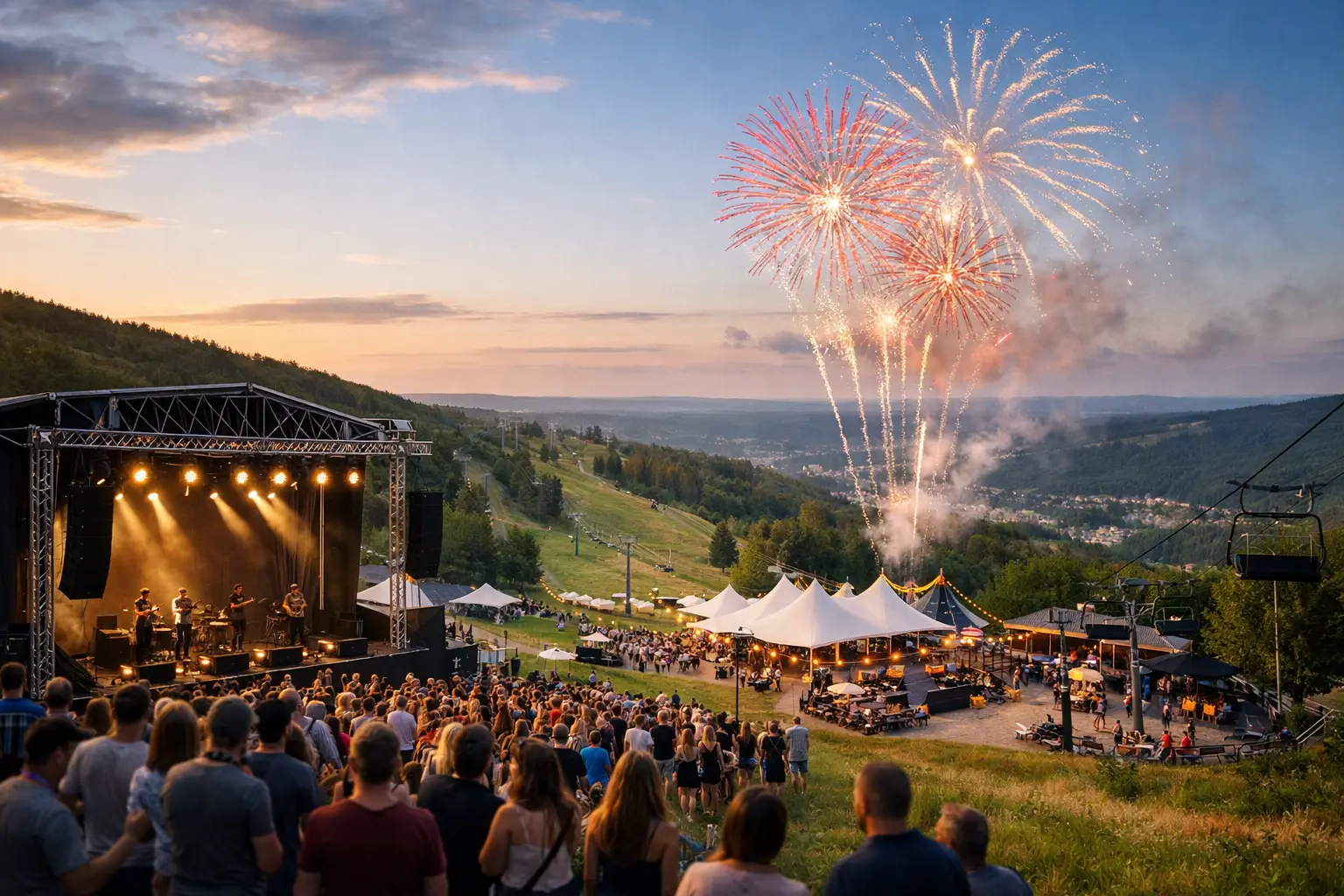
A strong summer bill at Montage Mountain can change the temperature of an entire regional market. One major booking can pull in touring crews, wake up local promoters, shift fan travel patterns, and create real momentum for artists trying to break beyond the club circuit. That is why talk around montage mountain events 2026 matters earlier than most people think.
For fans, the venue is already familiar as one of northeastern Pennsylvania's biggest live draws. For artists, managers, and indie teams, it is something else too - a signal point. When a venue like this starts to reveal its season, you get a clearer read on what genres are moving, how aggressive summer routing looks, and whether the market is leaning toward legacy headliners, current chart acts, country crossovers, hard rock packages, or festival-style mixed bills.
Why Montage Mountain events 2026 matter beyond Scranton
Montage Mountain is not just a local stop. It sits in a useful lane between major metro gravity and regional accessibility. That matters because artists who may not anchor a full arena run in New York or Philadelphia can still perform strongly in this kind of market, especially with the right support bill and timing.
The venue's appeal is practical. Fans from multiple parts of Pennsylvania, plus nearby New Jersey and New York, can make the trip without treating it like a full destination festival weekend. That gives promoters room to book shows with strong audience pull but less pressure than a top-tier stadium play. For emerging artists watching the live economy, that middle ground is worth paying attention to.
If you work in artist development, these calendars also help frame realistic growth paths. Not every act jumps from 500-cap rooms to arenas. Many build through amphitheaters, regional headline packages, and support slots in markets exactly like this one. Watching montage mountain events 2026 is partly about fandom, but it is also about seeing what level of artist development the market is rewarding.
What the 2026 calendar will likely look like
No serious outlet should pretend a full slate is locked before official announcements. Still, venue patterns tell you a lot. Summer-heavy scheduling is the obvious baseline, with late spring through early fall likely carrying the biggest activity. That window fits both touring economics and fan behavior.
Genre balance is where things get more interesting. Montage Mountain has the profile to support mainstream rock, country, radio-friendly pop packages, legacy acts with durable regional loyalty, and occasional event-style bookings that pull broad age ranges. Depending on promoter strategy, 2026 could also lean harder into nostalgia-driven packages. Those bills remain dependable because they perform well with audiences who still spend on live music but choose fewer, bigger nights out.
At the same time, there is room for newer artist integration, usually in support slots rather than top-line positions. That is where indie managers and publicists should pay attention. A single opening slot on the right package can deliver more value than a run of disconnected small-room dates, especially if the artist has merch discipline, strong content capture, and a release timeline that supports post-show conversion.
How artists and teams should read early announcements
When the first announcements land, do not just look at the headliner names. Read the bill structure. The support acts, genre pairings, routing logic, and spacing between dates say more than the headline alone.
If the venue books tightly within one genre lane for several weeks, that suggests promoter confidence in that audience segment. If the calendar swings across formats, it may signal a broader risk-spread strategy. Neither is inherently better, but each creates different opportunities for artist teams.
There is also a release strategy layer here. A support act added to a high-attendance Montage Mountain date should treat that booking as a campaign moment, not a one-off show. That means content planning before the announcement, local press angles, retargeting around nearby markets, and a clear audience capture plan on the ground. The artists who gain from these dates are usually not just the loudest on stage. They are the ones with a system.
The fan experience could shape demand in 2026
Venue reputation is never only about the lineup. Parking flow, entry speed, sound consistency, sightlines, weather readiness, food and drink operations, and post-show exit all influence whether fans buy early the next time around. For a venue with outdoor appeal, weather variables always remain part of the equation.
That matters more now because fans are choosier. Ticket buyers have absorbed higher costs across live entertainment, transportation, and concessions. They still show up for the right event, but expectations are sharper. If montage mountain events 2026 delivers a cleaner, better-paced experience, that can improve not just attendance but fan confidence in buying earlier for future shows.
For industry observers, fan behavior around these dates is useful market research. Do shows move fast at presale, or does inventory sit until the final week? Are fans responding more to all-in nostalgia, multigenerational country bills, or genre-specific rock packages? Every one of those patterns reflects broader consumer sentiment in the live sector.
What to watch in ticketing and booking trends
The live business has become more tactical. Promoters are balancing premium pricing, dynamic inventory, VIP packaging, and audience fatigue all at once. A venue like Montage Mountain becomes a useful case study because it is big enough to matter but regional enough to reveal demand honestly.
If 2026 bookings open with aggressive pricing and strong movement, that suggests confidence in regional buying power. If more shows lean on discounts, bundles, or last-minute pushes, that points to a softer demand environment. Neither outcome exists in a vacuum. It affects support act negotiations, marketing spend, and even whether developing artists should prioritize direct support slots or focus on routing around venue-adjacent club dates.
Managers should also watch how stacked the regional calendar becomes. When too many major events cluster in the same window, even strong acts can face buyer hesitation. Fans make choices. Disposable income has limits. The best performing shows are often not just the biggest names, but the nights that feel culturally urgent and operationally easy.
Could montage mountain events 2026 create opportunities for emerging acts?
Yes, but opportunity here is selective, not automatic. Bigger venue ecosystems can benefit emerging artists in three ways: support billing, surrounding market activation, and content leverage.
Support billing is the most obvious path, though it is the hardest to access without real relationships or undeniable momentum. Surrounding market activation is more available. When a major show lands, nearby venues, bars, pop-ups, and after-event spaces often see increased traffic and promotional energy. Smart indie teams can build around that movement with targeted appearances, street-level content, and collaborative local marketing.
Then there is the attention economy piece. Even artists not on the official bill can participate in the conversation if they understand timing. A regional release, a visual campaign tied to the concert wave, or a well-positioned local press moment can all benefit from the increased focus on the market. This is where editorial platforms with actual culture instincts, not just generic promotion language, can make a difference.
What fans should do before the full season drops
Patience helps, but passive waiting does not. If you are serious about catching the strongest shows, monitor announcement timing, presale windows, and artist routing patterns. Tour schedules often tell a story before every local date is formally published.
It is also worth keeping expectations flexible. The best montage mountain events 2026 may not be the most obvious blockbuster on paper. Sometimes the strongest live nights come from a package with real chemistry, not just the largest headliner. A co-bill with aligned fan bases can outperform a bigger solo draw if the energy is right and the audience feels genuinely served.
For creators and music professionals, these events are more than entertainment. They are field reports. You can learn a lot by watching crowd demographics, merch lines, local sponsor presence, and how well openers connect. If you are building an artist career, that kind of observation is not passive fandom. It is research.
The real value of watching this venue early
Montage Mountain sits in that useful space where culture, touring strategy, and regional economics meet. It is not the only venue that matters in 2026, but it is one of the better ones to watch if you want a clearer sense of how the next live season may unfold across adjacent markets.
For fans, that means a better shot at planning the right shows before prices move. For artists and teams, it means reading the calendar like a map - not just of concerts, but of opportunity. When the first announcements hit, pay attention to who is booked, who is opening, who is missing, and what that says about where the live business is placing its bets.
