
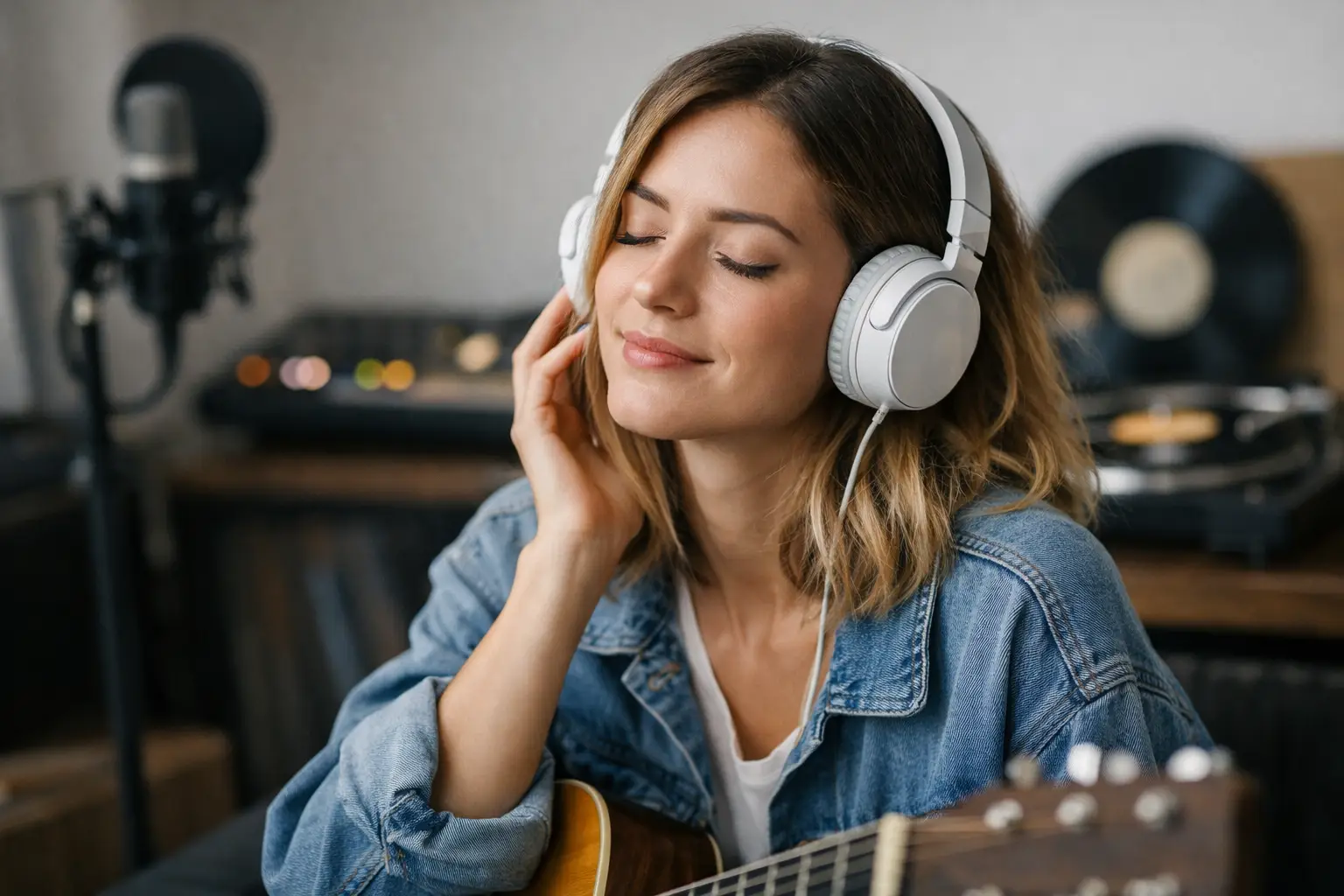
A decade ago, calling something indie pop gave you a fairly clear picture - jangly guitars, bedroom vocals, a little melancholy, maybe a Polaroid-ready visual identity to match. Now the tag still means something, but not one fixed thing. It can point to a soft-focus songwriter making hook-heavy confessionals, a synth-led artist building internet-native fandom, or a band sitting somewhere between DIY credibility and festival-scale ambition. That ambiguity is exactly why indie pop still matters.
For artists, managers, and anyone paying attention to how scenes turn into markets, indie pop is less a narrow genre than a working language. It connects aesthetics, production choices, audience behavior, and release strategy. The sound matters, of course, but so does the ecosystem around it.
What indie pop means now
At its core, indie pop sits at the intersection of accessibility and independence. The songs usually care about melody first. Even when the production gets experimental, there is often a strong sense of emotional immediacy - memorable choruses, intimate writing, and arrangements that feel personal rather than over-engineered.
What changed is the route artists take to get there. Earlier waves of indie pop were tied more tightly to labels, scenes, blogs, and physical communities. Today the genre is shaped just as much by playlists, short-form video, Discord communities, niche producers, and visual branding on social platforms. An artist can sound homemade and still run a highly sophisticated release campaign. They can look underground and still understand exactly how audience segmentation works.
That tension is central to the genre. Indie pop still rewards vulnerability and taste, but it now operates inside a much faster and more transparent market. Fans are not only listening to songs. They are reading the artist’s visual world, posting behavior, collaborators, live clips, and cultural references.
Why indie pop keeps expanding
Indie pop has held its value because it adapts without losing its emotional center. Pop gives it reach. Indie gives it identity. When those two forces balance well, the result can travel across scenes without feeling anonymous.
That flexibility makes the genre unusually durable. An artist can borrow from dream pop, alt-pop, new wave, lo-fi rock, dance-pop, folk, or even hyper-digital production and still land inside the indie pop conversation. The label works because it signals a certain kind of intention. Listeners expect style, curation, and some degree of personal perspective.
There is a trade-off here. Because the category is broad, it is easy for artists to get lost in it. “Indie pop” can open doors with editors, playlist curators, and fans who want discovery, but it can also flatten distinct artists into one catch-all bucket. That is why specificity matters more than ever. The strongest artists in this space do not just make indie pop. They make a version of it that is immediately legible as theirs.
The sound: polished feelings, controlled rough edges
A lot of indie pop works because it sounds emotionally close. Vocals often sit upfront, even when they are airy or understated. The drums may be soft, synthetic, or intentionally dry. Guitars can shimmer, synths can glow, and bass lines often do more structural work than casual listeners notice.
But the real signature is not a single instrument. It is restraint. Indie pop production tends to leave room for fragility. Even polished records often preserve some texture - breath in the vocal, a slightly imperfect rhythm guitar, a synth patch that feels nostalgic rather than pristine. That roughness helps the music feel human.
Still, the current version of the genre is not always low-budget sounding. Many releases are extremely well produced. The difference is that the polish usually serves intimacy instead of spectacle. A huge chorus might hit, but it still needs to feel like it came from a real emotional place, not from committee-built radio logic.
The image matters almost as much as the song
In indie pop, branding is rarely loud, but it is never accidental. Color palettes, cover art, styling, video treatment, and posting rhythm all shape how the music is heard. If the sonic world says soft, cinematic, and introspective while the visual rollout feels random or generic, the disconnect shows immediately.
This is one reason the genre performs so well in digital culture. It invites world-building. Fans want more than a track. They want a mood they can step into. The best indie pop campaigns understand that every release is also a piece of editorial storytelling.
That does not mean artists need a giant budget. It means they need coherence. One strong visual concept carried across single art, live content, short-form clips, and press assets will usually outperform a scattered attempt to look bigger than the project really is.
Indie pop and the business of being discoverable
For independent artists, indie pop can be commercially attractive because it fits multiple lanes at once. It can live on mood playlists, tastemaker playlists, sync-friendly playlists, and genre-specific editorial lists. It can work in intimate rooms, support slots, festival side stages, and lifestyle-driven media coverage.
The challenge is that discoverability is crowded. A well-written song is the baseline, not the differentiator. The artists breaking through tend to pair strong records with sharp release framing. They know the emotional angle of the song, the audience segment most likely to connect with it, and the content formats that translate best before and after release day.
This is where a lot of campaigns either sharpen or collapse. Some artists assume the genre’s DIY roots mean strategy can stay loose. In reality, indie pop audiences are highly responsive to consistency. They reward artists who understand pacing, narrative, and repetition without making the rollout feel forced.
For teams working releases, that usually means aligning distribution timing, media outreach, visual assets, live content, and playlist targeting around one clear story. At PaperMedia, that intersection between culture coverage and artist growth is exactly where the modern independent lane gets interesting. Taste opens attention, but infrastructure keeps momentum alive.
What artists get wrong about indie pop
One common mistake is treating the genre like an aesthetic filter instead of a songwriting discipline. Reverb, soft-focus photography, and lower-energy vocals do not automatically make a record indie pop. If the topline is weak or the emotional premise is vague, the packaging cannot save it.
Another mistake is chasing “syncable” neutrality. Yes, indie pop often crosses into brand-friendly or film-friendly territory. But songs that strip out all personality in pursuit of broad placement usually become forgettable. The better strategy is to make something distinctive enough to create a world, then identify the placements and media opportunities that genuinely fit.
There is also the issue of scale. Not every indie pop act should be marketed the same way. A bedroom-pop adjacent solo project, a fashion-forward alt-pop artist, and a guitar band with crossover instincts need different rollouts, even if all three sit under the same umbrella. Genre tags can help discovery, but they should never replace positioning.
Where indie pop is headed next
The next phase of indie pop will likely be even less purist. More artists are blending analog warmth with digital editing, singer-songwriter intimacy with pop structure, and niche internet references with classic melody writing. Scene boundaries will keep softening.
That does not mean the genre is losing shape. It means the standards are shifting. Listeners still want songs that feel personal, but they also expect artists to have a point of view that extends beyond the audio file. Live performance, visual identity, community building, and release mechanics now carry more weight than they did in the old blog era.
For emerging artists, that is not bad news. It creates more entry points. A great indie pop record can still start with one memorable chorus and a laptop, but growth usually comes when the creative instinct is matched by operational clarity. Knowing how you sound is only part of the job. Knowing how your sound moves through culture is what turns a promising release into a lasting one.
If you make indie pop, or work around it, the real opportunity is not to fit the label perfectly. It is to use the label as a starting signal, then build something specific enough that nobody confuses your version of the genre with anyone else’s.
