
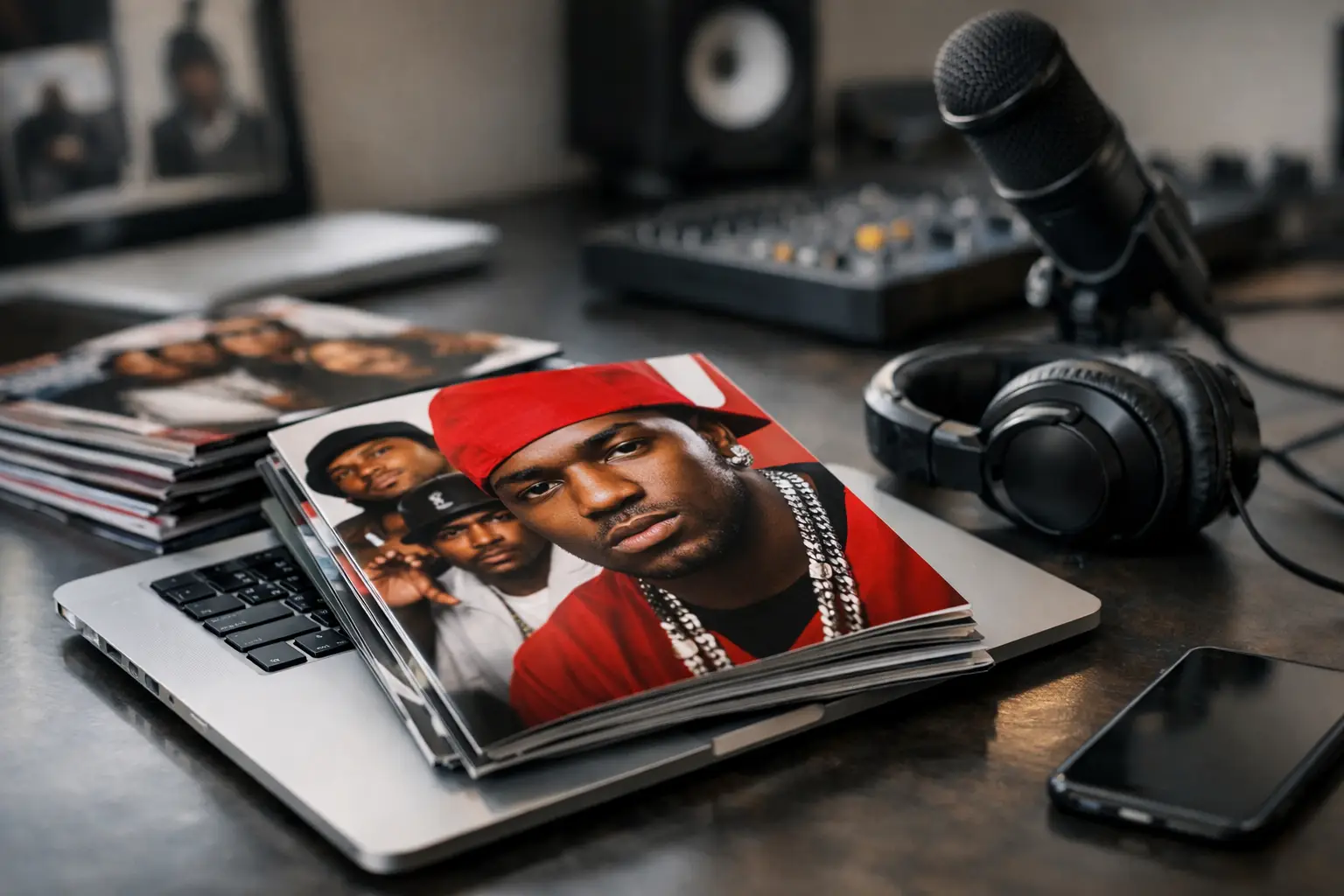
A freestyle in a stairwell can still change an artist’s career if the right camera is rolling. That is part of why xxl magazine remains such a powerful name in hip-hop media. Even in an era ruled by TikTok clips, streaming algorithms, and direct-to-fan releases, XXL still carries cultural weight that newer platforms spend years trying to build.
For artists, managers, and anyone working around music campaigns, XXL is more than a publication. It is a signal source. It reflects where rap has been, where the conversation is moving, and which artists are being framed as the next major voices. That framing matters because media does not just document culture. It helps decide what gets amplified.
Why XXL magazine still matters
XXL earned its place by doing something many outlets struggle to balance - it served fans while also speaking to the business around the music. Its editorial identity was rooted in hip-hop credibility, but its influence extended into A&R meetings, label strategy, publicist outreach, and brand partnerships.
That crossover effect is rare. Plenty of platforms break news fast. Others have strong visuals or sharp social distribution. But XXL built a reputation around editorial moments that lasted longer than a news cycle. Covers mattered. Interviews mattered. The Freshman list became a cultural event, not just a content package.
That kind of authority does not come from volume alone. It comes from taste, timing, and consistency. In music media, trust is built slowly and spent quickly. XXL has had enough staying power to remain part of the conversation even as the media landscape has fractured.
The XXL magazine Freshman effect
If one franchise defines XXL in the public imagination, it is the Freshman class. For emerging rappers, it has functioned as both a stamp and a stress test. The list can accelerate visibility, but it also creates immediate scrutiny. Once an artist is selected, the narrative shifts. They are no longer just promising. They are expected to prove the pick was right.
That pressure is part of the value. A placement on the Freshman cover can introduce an artist to new audiences, strengthen booking leverage, and create media momentum across platforms. It can also expose weak points in an artist’s development. If the freestyle underperforms, if the interview feels flat, or if the audience is not ready, the gap becomes visible fast.
This is where the trade-off matters. XXL recognition is not magic. It amplifies what is already there. Artists with a clear identity, strong catalog, and real fan movement usually benefit the most. Artists who are still being assembled by teams sometimes get the look before they have the infrastructure to sustain it.
For independent artists, that lesson is useful even if XXL is not directly in reach right now. Any major media moment works the same way. Exposure only converts when the story, the music, and the rollout are aligned.
How XXL changed rap journalism
Hip-hop journalism used to be more centralized. A smaller number of magazines, blogs, radio personalities, and tastemakers had the power to shape what listeners paid attention to. XXL was part of that ecosystem, but it also helped evolve it.
Its model combined long-form personality building with moment-based content. That made room for both journalism and spectacle. On one side, there were interviews and cover stories that gave artists room to define themselves. On the other, there were rankings, debates, freestyles, and list formats built for public reaction.
That mix now feels standard across digital music media, but XXL helped normalize it for rap. It showed that artist storytelling could be both editorial and highly shareable. It also proved that controversy, when handled with some editorial control, could drive engagement without fully replacing substance.
The downside is obvious too. Once every outlet starts chasing debate-friendly formats, coverage can flatten into noise. Nuance gets sacrificed for reaction. Artists become content units instead of creative subjects. XXL has not been immune to that tension, but its strongest work still shows the difference between cultural journalism and simple traffic chasing.
What artists can learn from XXL magazine coverage
The biggest lesson is not how to get featured. It is how to become feature-ready.
XXL tends to spotlight artists who feel like they already exist in the culture, not artists asking for permission to enter it. That distinction matters. Media interest usually follows momentum, but momentum is not just numbers. It is identity. It is audience language. It is the sense that an artist has a point of view people can recognize in one song, one interview answer, or one visual frame.
For teams building campaigns, this means press should not start with a contact list. It should start with narrative clarity. What does this artist represent? Why now? What conversation are they part of? If those questions are fuzzy, even great outreach will have a short shelf life.
There is also a presentation lesson in how XXL operates. The outlet has long understood that performance, personality, and perception all work together. A rapper might have a strong record, but the interview still matters. The freestyle still matters. The caption still matters. Every public touchpoint shapes the audience’s understanding of the brand.
That is especially true now, when artist development happens in public. Fans do not separate the music from the media presence the way they once did. An artist’s editorial footprint, social behavior, release strategy, and visual world all blend into one profile.
XXL in the streaming era
Streaming changed discovery, but it did not erase curation. It just redistributed it. Algorithms can surface songs. They cannot fully replace the cultural authority of a trusted outlet putting its name behind an artist.
That is where XXL still has an edge. It offers context, not just exposure. When an outlet with history covers an artist, the feature says something beyond reach. It suggests relevance. It places that artist inside a lineage of rap conversation.
Still, the role is different now. In the print-first era, magazines often introduced audiences to artists before the audience had much access. Today, fans may already know the songs, the memes, the snippets, and the controversies before a magazine story lands. So the editorial function has shifted from introduction to validation, interpretation, and reframing.
That shift creates both opportunity and risk. Opportunity, because a strong story can deepen an artist’s position beyond a viral moment. Risk, because the publication no longer controls the entire narrative environment. Social media reactions hit instantly, and audiences are faster to challenge editorial decisions.
For media brands, survival depends on having both cultural fluency and a real editorial standard. For artists, it means one feature alone will not carry the campaign. Press has to work with distribution, social content, live performance, and audience retention. That is the new baseline.
Is XXL magazine still a gatekeeper?
Yes, but not in the old sense.
XXL is no longer a single door that every rapper must walk through. Hip-hop is too decentralized for that now. Regional scenes can build independently. Artists can break on platforms that have nothing to do with traditional journalism. Communities form around creators, streamers, playlists, and micro-scenes that legacy outlets do not fully control.
But gatekeeping did not disappear. It became layered. XXL is one of several institutions that can still legitimize a wave, sharpen an artist’s public profile, or signal that a movement deserves closer attention. That kind of validation matters to brands, agents, labels, and fans who still look for trusted filters in an overcrowded market.
In that sense, XXL functions less like a gate and more like a multiplier. If an artist already has traction, the right feature can magnify it. If a scene is bubbling, coverage can make the industry treat it as real. If a name is being debated, XXL can help turn speculation into narrative.
That is why publications with cultural memory still matter. They create continuity in a business that often feels addicted to the next thing. For a platform like PaperMedia, that lesson is useful across the board: the best music coverage does not just chase attention. It gives attention shape.
The artists who win from outlets like XXL are usually the ones who understand that media is not a side quest. It is part of the architecture. If the music is strong and the story is clear, the right coverage can do more than create a moment. It can help build a career that lasts longer than the headline.
